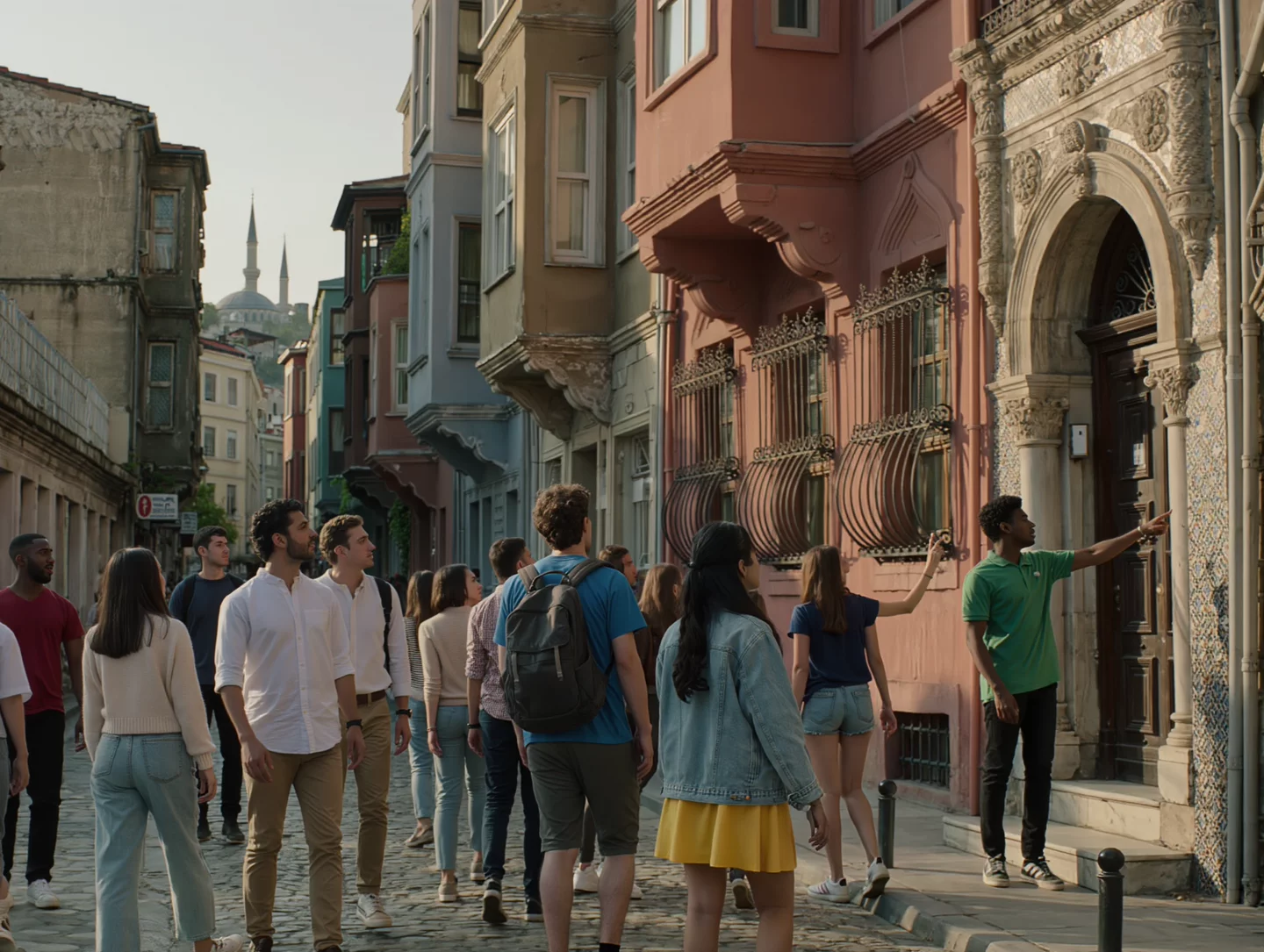
Ethnic Groups and Cultural Heritage in Turkey
Discover the diverse ethnic groups and rich cultural heritage in Turkey. Click now to learn more about its education and culture!
Having hosted many civilizations throughout its history, Turkey is a land home to a wide variety of ethnic groups as a result of this rich past. This ethnic diversity has significantly enriched the country’s cultural heritage.
Major Ethnic Groups
It is difficult to provide a complete list and exact population figures for ethnic groups in Turkey due to limited official demographic data and recognition statuses. However, some of the most widely recognized and well-known ethnic groups include:
- Turks: They are the largest ethnic group in Turkey. They are considered descendants of the Oghuz Turks, Kipchaks, and other Turkic tribes.
- Kurds: They predominantly live in the Southeastern and Eastern Anatolia regions of the country. They have a rich culture of oral literature, music, and traditional clothing.
- Arabs: They are mainly found in Southeastern Anatolia, particularly in provinces like Hatay, Mardin, Şanlıurfa, and Siirt. They speak various Arabic dialects and have their own unique traditions.
- Zazas: They generally live in Eastern and Southeastern Anatolia, especially in provinces such as Tunceli, Bingöl, and Elazığ. They speak Zazaki, a language related to Kurdish, and have preserved their distinct culture.
- Circassians: A group that migrated from the Caucasus in the 19th century, they settled mainly in the Marmara and Central Anatolia regions. They are known for their music, dance, and traditional hospitality.
- Roma (Gypsies): They live in almost every region of Turkey. They have a culture that stands out for its music and dance talents.
- Laz: They live on the eastern coast of the Black Sea, particularly in the provinces of Rize and Artvin. They speak their unique language, Laz, and have distinct cultural features like kemençe music and tulum (bagpipe) dances.
- Bosniaks: They migrated from the Balkans and settled in the Marmara Region. They have a distinctive culinary culture, including dishes like köfte (meatballs) and börek (pastry).
- Albanians: They generally live in large cities like Istanbul and İzmir. This group of Balkan origin is known for its own cuisine and music.
- Georgians: They live in the Black Sea region, primarily in Artvin and other areas. They are known for their own language and traditional dances.
- Armenians: They are concentrated mainly in Istanbul. This group, who are of the Christian faith, has contributed to architecture, art, and commerce throughout history.
- Greeks (Rum): A small community living in Istanbul and around the Aegean islands. They are of the Orthodox Christian faith and possess a rich cultural heritage.
- Jews: Concentrated in cities like Istanbul and İzmir. They include different subgroups such as Sephardi and Ashkenazi.
Preservation of Cultural Heritage
The presence of ethnic groups in Turkey creates the country’s cultural heritage like a mosaic. Each group adds its own language, music, dances, food, traditions, and stories to this mosaic.
- Language and Literature: In Turkey, there are publications, radio programs, and music in languages such as Kurdish, Arabic, Zazaki, and Laz.
- Music and Dance: Each ethnic group has its own unique music and dance. Regional dances like the horon, halay, zeybek, and semah are reflections of this diversity.
- Culinary Culture: Regional dishes offer a richness that brings together the cuisines of different ethnic groups.
- Handicrafts: Traditional handicrafts like carpet weaving, ceramics, and copperwork carry the cultural symbols of different ethnic groups.
In recent years, various steps have been taken to preserve cultural diversity. University departments for ethnic languages have been opened, and publications and artistic activities in these languages have started to be supported. However, passing on this rich heritage to future generations and accepting differences as a form of wealth are of vital importance for social harmony.
A Richness Passed Down to the Future
Turkey’s ethnic diversity and cultural heritage are a living reflection of this land’s thousands of years of history. Turks, Kurds, Laz, Circassians, Arabs, Armenians, Greeks, and all other communities carry their unique traditions, languages, and identities into the future while sharing a common geography. This rich mosaic not only strengthens Turkey’s cultural fabric but also offers an inspiring example to the world of living together in peace. Preserving cultural heritage and passing it on to future generations is both a social responsibility and a tribute to the story of this land.
Frequently Asked Questions
Which are the most widely known ethnic groups in Turkey?
In Turkey, groups such as Turks, Kurds, Arabs, Zazas, Laz, Circassians, Bosniaks, and Roma are among the most well-known ethnic communities.
How are the cultural rights of ethnic groups protected in Turkey?
Within the framework of the constitution and international agreements, the cultural rights of all citizens are guaranteed. Festivals, language courses, and local events are supported.
What is the cultural interaction like between ethnic groups in Turkey?
There is intense cross-cultural interaction in many areas, such as food, music, wedding traditions, and festivals. This enhances social richness.
Are minority languages officially recognized in Turkey?
While Turkish is the official language, the learning and use of different languages are permitted. Elective language courses are offered in some regions.
What is being done to keep cultural heritage alive?
Cultural heritage is kept alive through museums, festivals, local handicraft workshops, and oral history projects.