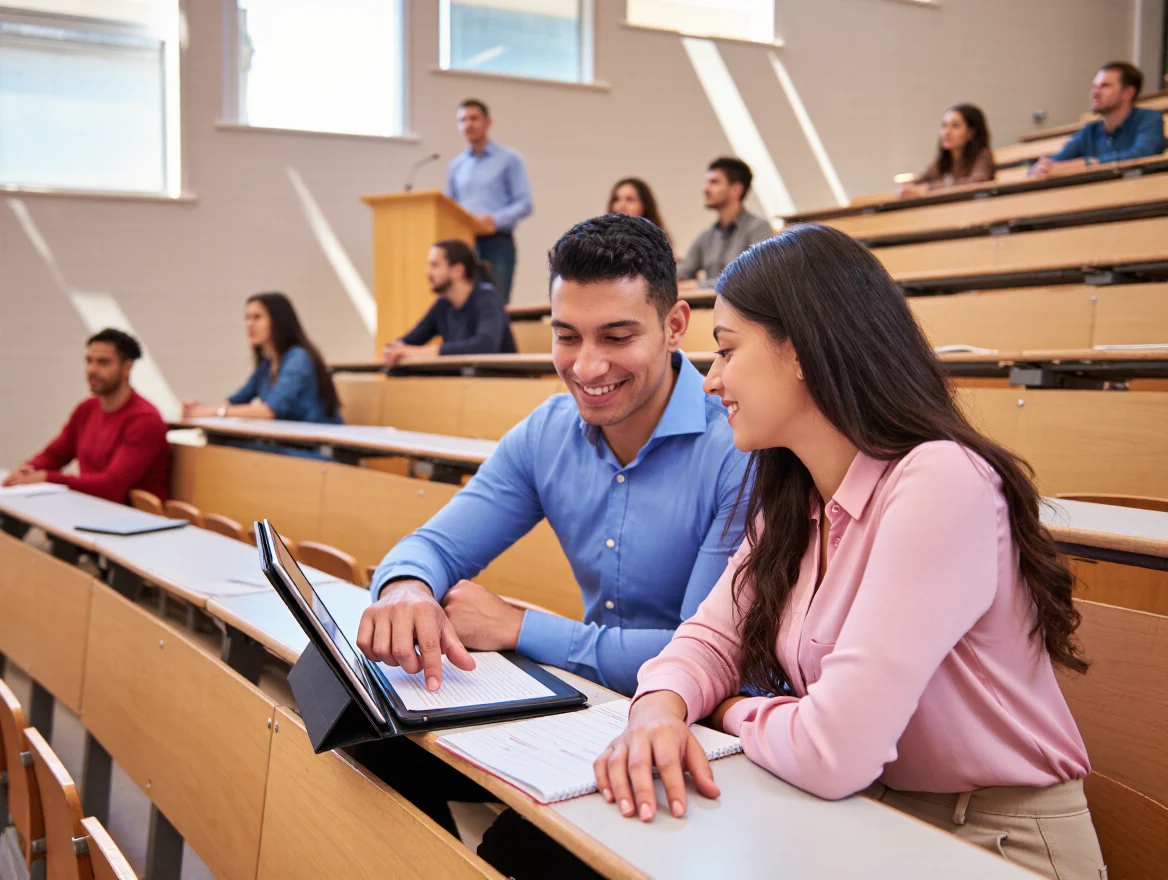
Classroom Interaction and Academic Culture in Turkey
Discover the classroom interaction and academic culture in Turkey. Read our article to learn about the innovations in education!
Turkish Academic Culture: What International Students Need to Know
The academic culture in Turkey holds some differences for international students. The education system generally has a teacher-centered structure. Students are expected to actively participate in classes. Therefore, it’s important to come to lessons prepared and take part in discussions. Additionally, communication with faculty members plays a critical role in guiding students. Students are encouraged to build relationships with their professors, ask questions, and receive feedback.
You may also find our article on Different Ethnic Groups and Cultural Heritage in Turkey helpful.
Cultural Differences and Education: How Are Classroom Dynamics Shaped in Turkey?
Classroom dynamics in Turkey are shaped by the influence of cultural differences. Students from various countries bring diverse perspectives and learning styles. For example, some students may be more inclined towards group work, while others might prefer individual study. These differences enrich the interaction within the classroom. It is important for students to work with friends from different cultures to understand and respect diverse viewpoints.
- Group Projects
Group projects in an engineering course, for instance, help students develop their collaboration skills. In such projects, the coming together of students from different cultures to exchange ideas offers an enriching experience both academically and socially.
You can also take a look at our post on Environmental Awareness and Sustainability Approaches in Turkey.
Cultural Differences in Education: Understanding Classroom Interaction in Turkey
The education system in Turkey not only provides students with academic knowledge but also offers opportunities for cultural interaction. Interaction within the classroom helps students develop their social skills. For example, during class discussions, students have the opportunity to share their own cultural perspectives and understand the views of others. Discussions where students share their home countries’ education systems and cultural norms can be an educational experience for other students. Such interactions help students understand different viewpoints and develop their own thoughts.
Education in Turkey: The Importance of Classroom Interaction
Classroom interaction is one of the cornerstones of the education system in Turkey. Active participation by students in classes makes the learning process more effective. It is also of great importance for the development of social skills. By interacting with their classmates, students improve their communication skills and gain teamwork experience. Interactive learning methods encourage students to participate more actively in lessons. For example, discussion sessions or group work organized by faculty members allow students to express their thoughts and listen to the opinions of others.
Explore Classroom Dynamics!
Classroom interaction in Turkey is built on respect, solidarity, and active participation. While students value both individual and collective success, cultural diversity enriches class dynamics. International students can easily adapt to this open and sincere environment, enhancing their educational experience by actively participating in classes and collaborating with local students.
Frequently Asked Questions
What is important in classroom communication in Turkey?
Respect for the teacher, active participation, and freely expressing your ideas are important.
How do Turkish students approach group work?
Turkish students generally prefer to work in a collaborative, supportive, and social manner based on a division of tasks.
What kind of culture prevails in classroom discussions?
Generally, discussions are lively and interactive, conducted within a framework of respect.
What are teacher-student relationships like?
In Turkey, the relationship between teachers and students is friendly but maintains a professional distance, based on respect and trust.
How can international students adapt to the classroom environment?
You can adapt to the classroom environment by actively participating in class, asking questions, and taking part in group projects.