University Cultures and Campuses in Turkey
Explore the diverse university cultures across Turkey! Learn about educational opportunities for international students and find the right path for your career.
Where Are Turkey’s Most Beautiful University Campuses?
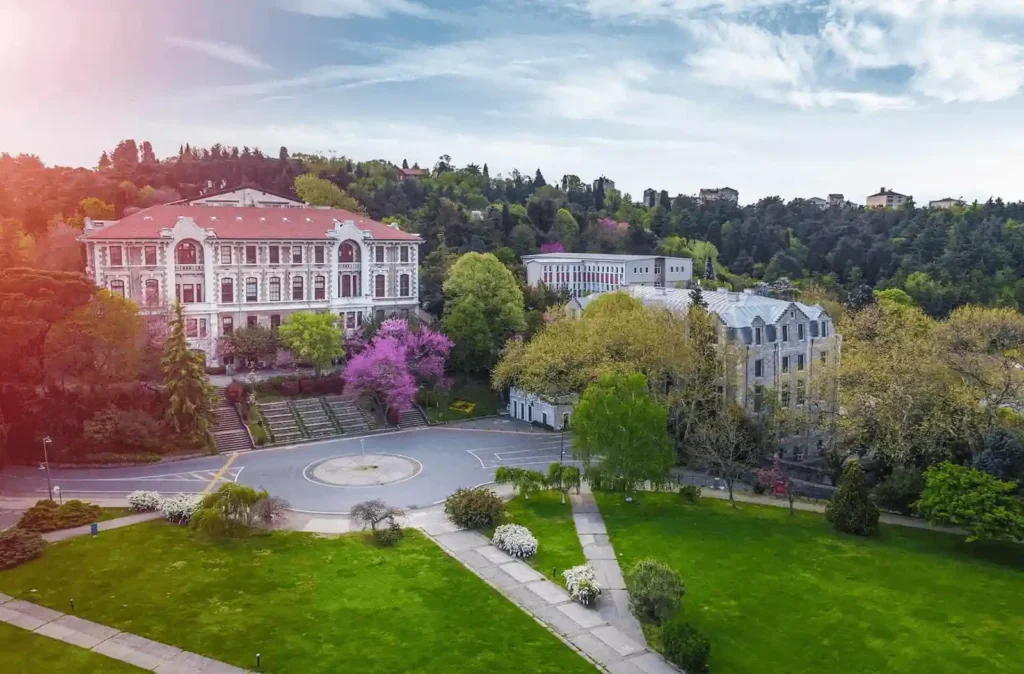
1. Boğaziçi University – Istanbul
Boğaziçi University’s South Campus is one of the world’s most remarkable university grounds, with its stunning Bosphorus view. Historic stone buildings, lush green gardens, and open spaces by the sea create a unique atmosphere for students. In particular, “Albert Long Hall” and the “South Quad” are the heart of social life.
2. Middle East Technical University (METU) – Ankara
METU has the largest forested campus in Turkey. Spanning 4,500 hectares, it has its own ecosystem. Students can ride on bike paths, relax by the lake, or go hiking in the METU Forest.
3. Bilkent University – Ankara
It stands out with its modern architecture, art galleries, concert halls, and international student community. It offers students a comfortable lifestyle with its expansive green areas, modern buildings, and social facilities.
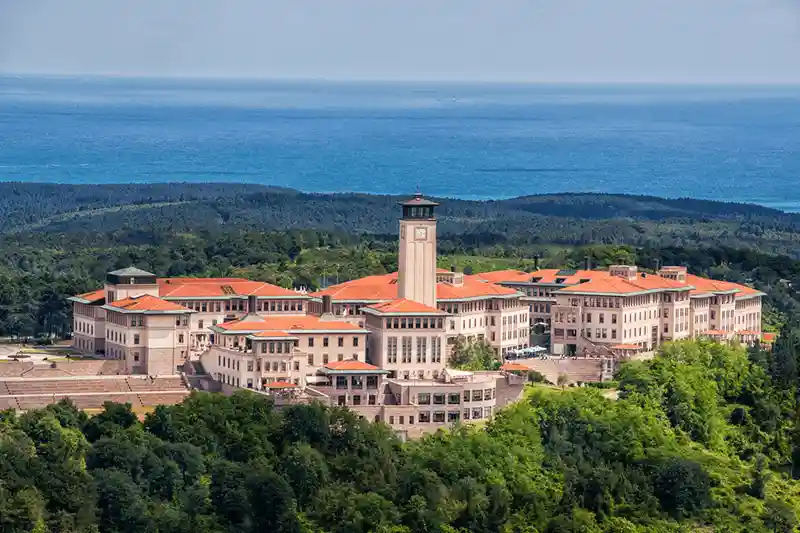
4. Koç University – Istanbul (Sarıyer)
Located on the forested hills of Sarıyer, Koç University is notable for its modern campus design. Since all faculties, dormitories, and social areas are on the same campus, there is a strong sense of community among students.
5. Akdeniz University – Antalya
It boasts a spacious campus that reflects all the beauty of the Mediterranean climate. Palm trees, outdoor event spaces, and its proximity to the sea create a truly resort-like atmosphere for students.
6. Karadeniz Technical University (KTU) – Trabzon
Located on the Black Sea coast, KTU offers both sea and forest views. With its natural beauty, it is one of Turkey’s most impressive campuses.
University Culture in Turkey: Differences from City to City
In Turkey, university culture varies significantly depending on the city’s size, geographical location, economic structure, and social dynamics. We can examine these differences under three main categories:
1. Major Metropolitan Cities (Istanbul, Ankara, Izmir)
These cities are typically home to multiple well-established universities, and their cultures are shaped by the vast opportunities the city offers.
| City | Prevailing Atmosphere and Culture | Off-Campus Life |
| Istanbul | Versatile and Dynamic. A blend of traditional (Istanbul University, Marmara) and modern (Koç, Sabancı) cultures. The university culture is influenced by the city’s complex and fast-paced rhythm. Many foundation universities offer a life more integrated with the city rather than a secluded campus. | Limitless artistic, cultural, and career opportunities. Transportation challenges and a high cost of living can affect social life. Students are spread across different social hubs on the European and Anatolian sides. |
| Ankara | Academic and Institutional Focus. With universities like METU, Hacettepe, Ankara, and Bilkent, it is a city strong in academic achievement and technical/social sciences. The culture is more rational, planned, and attuned to political/bureaucratic issues. | There are concentrated cafes and social areas in the heart of the city (Kızılay, Tunalı). While large campuses (METU, Hacettepe) offer a self-contained “campus life” away from the city center, central universities are located within the city. |
| Izmir | Relaxed, Liberal, and Coastal-Oriented. Universities like Ege and Dokuz Eylül reflect the city’s generally stress-free and liberal atmosphere. The sea, sun, and natural beauty are at the core of its cultural life. | Socializing is concentrated in areas like Kordon, Alsancak, and Karşıyaka. Campuses are generally in central or easily accessible locations (Bornova). The cost of living is relatively lower compared to Istanbul. |
2. Student Cities (Eskişehir, Çanakkale, Muğla)
These cities host a large number of students relative to their population and are considered “Student-Friendly” by the local administration and public.
| City | Prevailing Atmosphere and Culture | Off-Campus Life |
| Eskişehir | The Student Capital. With the presence of Anadolu University and others, the city is entirely focused on student life. The culture is dominated by social areas around the Porsuk River, affordable prices, and easy transportation. | Social events, festivals, affordable cafes, and bars are abundant. The city is budget-friendly for students, and urban transportation is fast and practical. |
| Çanakkale | Boutique and Historic. A smaller-scale city by the sea with a strong historical texture. It stands out for its tranquility and cleanliness. The student community is more integrated with the city. | Proximity to the sea and natural beauty are prominent. Instead of vast career opportunities like in Ankara/Istanbul, it offers a more peaceful social life. |
| Mediterranean/Aegean Coastal Cities (Antalya, Muğla, Aydın) | Resort and Tourism Influence. A temperate climate, proximity to the sea, and high tourism density influence the campus culture. Social life largely takes place outdoors and in natural areas. | The student population drives social life during the winter months. Internship opportunities are particularly plentiful in the fields of tourism and foreign languages. |
3. Regional and Developing Cities (Eastern/Central Anatolian Cities)
Universities in these cities are often the largest modern institutions in town and play a central role in the city’s social and cultural development.
- Cultural Impact: The university is the main center that transforms the social fabric of its city and brings cultural and artistic events.
- Social Life: Student life is more modest compared to major cities. The vast majority of social activities typically take place on campus (in dormitories, student clubs) or on specific streets with a high concentration of students.
- Housing and Transportation: Newly established universities often have large campuses located away from the city center. Housing and basic necessities may not be as varied or accessible as in major cities. However, relationships between university staff and locals can be warmer and more friendly.
The Importance of Cultural Factors When Choosing a University in Turkey
Choosing a university in Turkey isn’t just about academic programs and rankings; the country’s rich cultural diversity profoundly affects student life. Each city and campus offers its own unique lifestyle and social atmosphere.
In major cities like Istanbul, a multicultural environment and a life full of international networks await you; whereas in cities like Eskişehir, Izmir, or Trabzon, you can join more intimate, student-centered communities. This difference determines both your social circle and your daily comfort.
Furthermore, the density of cultural events, the food culture, the pace of life in the city, and the relationship between locals and students directly impact the quality of your university experience. For international students planning to study in Turkey, considering these factors ensures not only a successful academic journey but also an unforgettable life experience.
Frequently Asked Questions
How many university campuses are there in Turkey?
There are over 200 higher education institutions (public, foundation, vocational schools) in Turkey. Since each institution can have multiple campuses, the exact number of campuses is higher than this figure.
What are the largest university campuses in Turkey?
The largest campuses in Turkey are generally those with extensive green space, such as Middle East Technical University (METU), Hacettepe University’s Beytepe campus, and Istanbul Technical University’s (ITU) Ayazağa campus.
Which universities have the most beautiful campuses in Turkey?
Among the most beautiful campuses are Boğaziçi (for its history and view), METU (for its forested landscape), Bilkent (for its wealth of facilities), and Koç/Sabancı (for their modern architecture).
What are the top 10 universities in Turkey?
The ranking of the top 10 universities in Turkey varies depending on the criteria used (academic publications, citations, R&D, graduate success), but institutions like METU, Boğaziçi, Hacettepe, ITU, Istanbul University, and Bilkent generally rank at the top.